
Share This Story
Buying Property in Costa Rica 2026: Costa Rica still has a powerful draw in 2026. For a lot of foreign buyers, it feels like a rare combination: stable, welcoming, beautiful, and still full of lifestyle upside. I get the appeal. In a world that feels noisy and unpredictable, Costa Rica can look like a safe harbor. But I’ve learned that “Pura Vida” does not mean “anything goes.” The buyers who do best here are not the ones who fall in love fastest. They’re the ones who classify the asset correctly before they wire a cent. Broadly speaking, foreigners can buy titled property in Costa Rica much like locals can, but beachfront and other special cases are governed by separate rules, especially in the Maritime Zone.
If I had to reduce the whole market to one warning, it would be this: not all Costa Rican property is the same. A lot of bad purchases start with a very normal sentence: “It’s beachfront land, so I’ll buy it the same way I’d buy any other lot.” That is exactly how people walk into avoidable problems. In Costa Rica, the first question is not “Is this a good deal?” It’s “What kind of legal right am I actually buying?” The answer usually falls into one of three buckets: titled property, concession property, or possessory-rights land that may require a titling process.
- Why Costa Rica Still Attracts Foreign Buyers in 2026
- The First Thing to Understand: Not All Property in Costa Rica Is the Same
- The Due Diligence Checklist That Can Save You From a Costly Mistake
- Should You Buy in Your Personal Name or Through a Costa Rican Corporation?
- Can Buying Property in Costa Rica Help You Get Residency in 2026?
- Where to Buy in Costa Rica in 2026
- Closing Costs, Taxes, and Ongoing Ownership
- 10 Questions I Would Ask Before Signing Anything
- Final Verdict: When Buying Property in Costa Rica Is Smart and When to Walk Away
Why Costa Rica Still Attracts Foreign Buyers in 2026
I understand why the market keeps pulling in international buyers. Costa Rica offers rule-of-law appeal, strong global recognition, and a property market that still feels more tangible than many purely financial bets. That’s the emotional side. The practical side is that many buyers also see a second-home strategy, a rental-income play, a relocation plan, or a residency path. Costa Rica’s investor-residency framework still recognizes qualifying investments of at least US$150,000, which keeps real estate in the conversation for people thinking beyond a vacation home.
That said, I would never market Costa Rica as “easy money.” That’s the wrong frame. The right frame is protectable value. If the property is correctly structured, thoroughly reviewed, and suitable for your actual goal, Costa Rica can make a lot of sense. If the legal nature of the asset is misunderstood from day one, even a beautiful property can become a slow-motion headache. That’s why I always come back to due diligence before lifestyle fantasy.
The First Thing to Understand: Not All Property in Costa Rica Is the Same
Before talking about rental returns, closing timelines, or where to buy, I would put this table in front of any foreign buyer:
| Property type |
What you’re really buying |
Main advantage | Main risk |
|---|---|---|---|
| Titled property | Registered ownership (fee simple / freehold style) | Strongest ownership position | Still requires full due diligence on title, liens, boundaries, and restrictions |
| Concession property | A concession in the Maritime Zone, not fee-simple ownership | Can provide beachfront use rights | Foreign ownership restrictions, municipal/ICT approvals, compliance risk |
| Possessory rights / titling process | Possession rights, not registered title | Can offer upside in certain areas | Highest legal uncertainty; titling requires proof and can still be challenged |
That difference is not academic. It changes what you can own, how you can transfer it, whether you can finance it, how much risk you carry, and whether your “dream beachfront home” is actually a clean real estate asset or a complicated legal arrangement.
Titled Property: The Gold Standard for Foreign Buyers
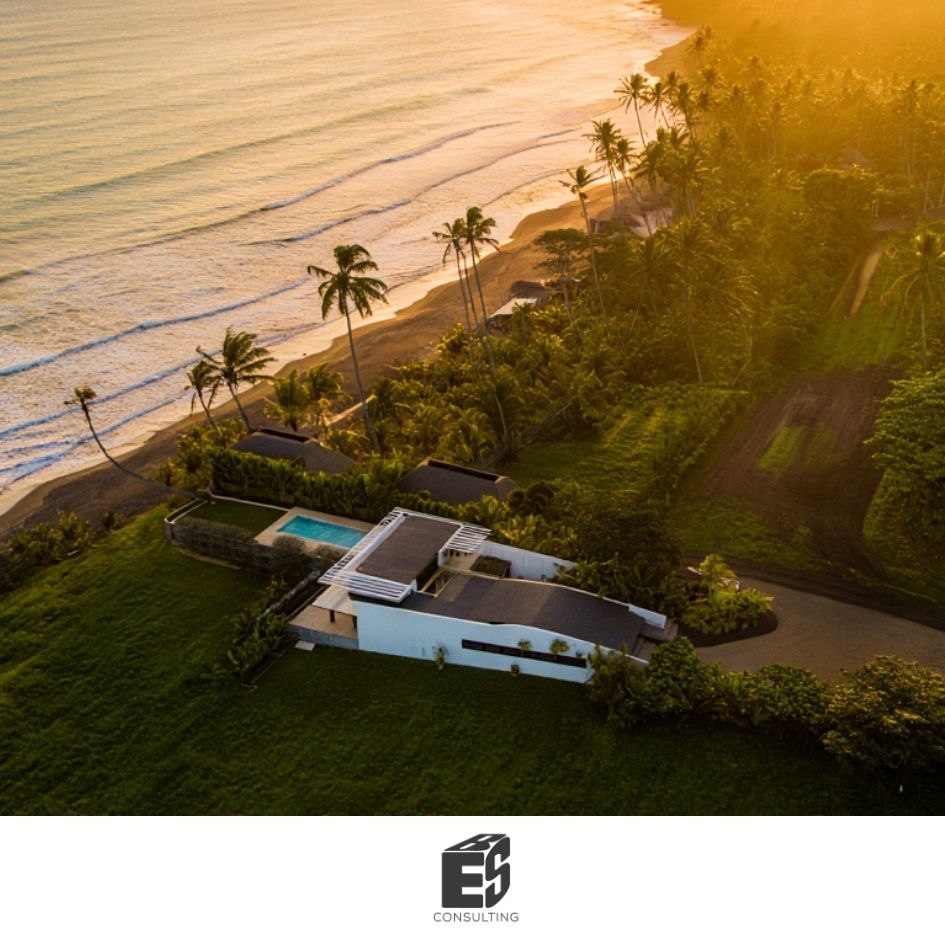
When I say titled property is the gold standard, I mean it. This is the closest thing to what U.S. and Canadian buyers expect from normal ownership: a registered property with a recorded owner, a cadastral identity, and a clearer transfer path. The National Registry’s real-estate services include consultations for properties, plans, liens, and documents, and the Registry’s literal certifications identify the property’s characteristics, owner, encumbrances, and annotations. That is why titled property is usually where I want foreign buyers to start unless they have a very specific reason to do otherwise.
In practice, this is where the “source of truth” mindset matters. I never want a buyer relying on a broker summary, a PDF brochure, or a seller’s explanation alone. I want the file reviewed against the Registry, the survey situation checked, and the development reality understood. A clean-looking listing is not the same thing as a clean legal file. In my experience, the difference between a dream lifestyle and a legal nightmare is often hidden in the boring documents nobody is excited to read.
Concession Property: What the Maritime Zone Really Means
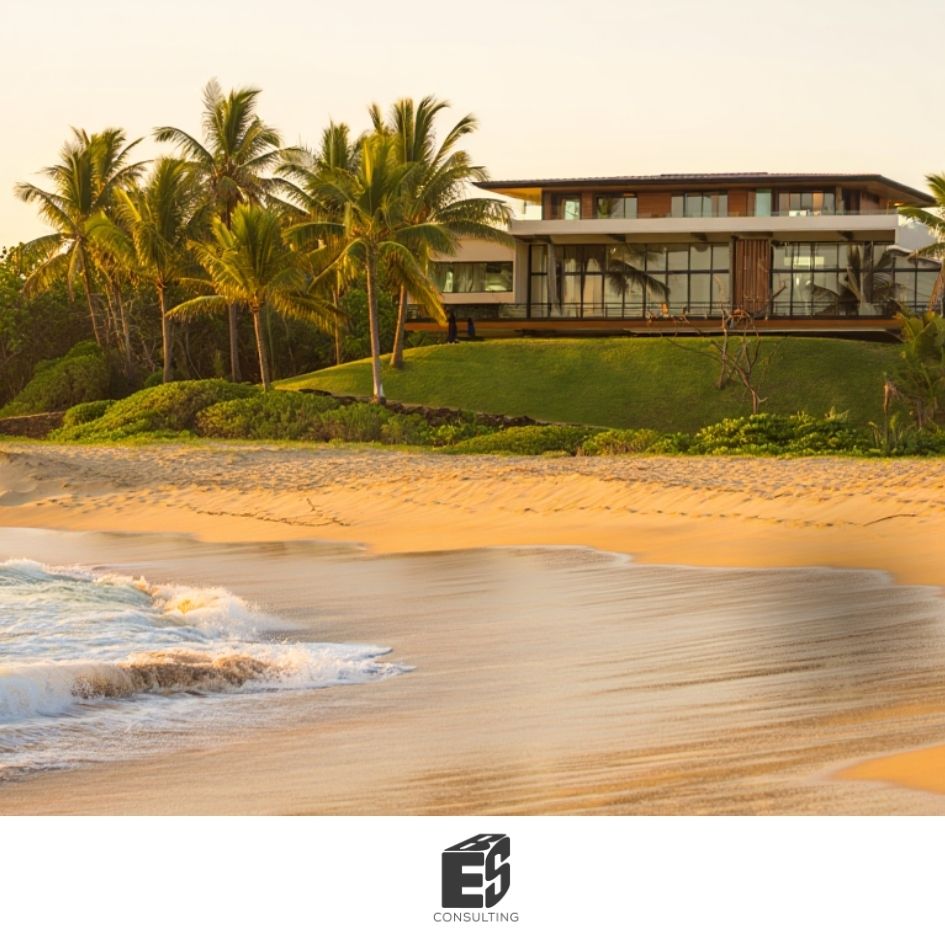
This is where many foreign buyers get trapped, especially if they arrive with a beachfront fantasy. Costa Rica’s Maritime Zone Law defines the maritime-terrestrial zone as a 200-meter strip measured from the ordinary high-tide line. That 200-meter strip is split into two sections: the first 50 meters are public zone, and the next 150 meters are restricted zone. The law states that no development is allowed in the public zone without the proper legal authorization, and concessions can only be granted in the restricted zone.
So if a buyer thinks they are “owning the sand,” I hit pause immediately. The first 50 meters are not private beachfront ownership in the usual sense. Then there’s the next layer: concession rules. Under the Maritime Zone law, concessions are not granted to foreigners who have not resided in Costa Rica for at least five years, and entities with more than 50% foreign participation are also restricted. The same law also says concessions are granted for terms of no less than 5 years and no more than 20 years, with possible renewals under the legal framework.
That is why I call this the beachfront trap. Not because concession property is always bad, but because many buyers misunderstand what they are getting. A concession can work for the right buyer with the right structure and the right legal review. What it is not is a casual substitute for titled land. If the property sits in the Maritime Zone, I treat it as a specialized transaction from the first minute.
Possessory Rights and the Titling Process: Risky, but Not Always a Deal Breaker
The third category is where buyers need the most discipline. With possessory rights, you are not buying registered title. You are buying possession-based rights in a context where formal title may not yet exist. Costa Rica’s Law of Possessory Information says a person seeking title over land lacking registered or registrable title must prove possession for more than ten years under the conditions set by civil law.
This is the part of the market where inexperienced buyers either panic too fast or trust too easily. My view is more balanced. Possessory-rights property is not automatically untouchable, but it is absolutely the highest-risk category of the three. And even when a possessory process succeeds, the legal system itself recognizes the possibility of later dispute: the Attorney General’s legal criteria note that a favorable possessory-information ruling is registered “without prejudice to a third party with a better right.” In plain English, that means a win in the titling process does not magically erase every future challenge.
That’s why I never pitch possessory-rights land as a beginner purchase. If someone is buying in an up-and-coming area and the story is “huge upside, no title yet,” I slow the conversation down. The upside may be real. The complexity is real too.
The Due Diligence Checklist That Can Save You From a Costly Mistake
If I were helping a buyer build a checklist for Costa Rica in 2026, I’d keep it brutally practical:

What to verify at the National Registry
Start with the Registry file. Costa Rica’s Registry services allow consultation of properties, plans, liens, and documents, and literal certifications identify the property description, owner, encumbrances, and annotations. For me, that makes the Registry the first stop, not the last.
Surveys, zoning, water, and buildability
The next layer is whether the parcel on paper matches the reality on the ground and whether the property can actually be used the way you imagine. Buyers often focus on title and forget use. I’ve seen people get comfortable because a property is registered, only to discover later that zoning, access, utility, environmental, or coastal restrictions completely change the economics of the deal. A purchase is only “safe” if the legal right and the practical use line up.
Legal, technical, and financial review should work together when Buying Property in Costa Rica 2026
This is where a lot of foreign buyers still think too narrowly. A lawyer may review title, but someone also needs to stress-test the investment logic. A survey issue, a restricted coastal classification, a bad ownership vehicle, or a missed compliance obligation can wreck returns just as effectively as overpaying. In my experience, the best due diligence is multidisciplinary. That’s the real soft landing.
Should You Buy in Your Personal Name or Through a Costa Rican Corporation?
I usually think of the ownership entity as the container. The container matters because it affects governance, succession, control, and compliance. Costa Rica commonly uses structures like the S.R.L. and the S.A., and both can be useful depending on how simple or how investor-heavy the ownership situation is. What I would not do is treat the company decision as an afterthought. It shapes how the asset is held and managed long after closing.
For many individual buyers, an S.R.L. often feels cleaner and easier to govern. For larger ventures or deals involving several participants, an S.A. can make sense. But I would not turn this into a one-size-fits-all rule. The right question is not “Which is best in general?” It’s “Which structure fits my tax, control, liability, succession, and compliance reality?”
The compliance detail buyers tend to miss in 2026
Here is the kind of thing foreign owners overlook until it becomes a problem: Costa Rica now requires mercantile companies to register an official email address for notifications. The National Registry’s guidance reflects Law No. 10,597, and the Registry’s 2025 communication states that companies already registered before June 4, 2025 were given one year to register that email address. In practice, that makes early June 2026 a critical compliance point for older entities.
That may sound administrative, but it isn’t trivial. If you use a company as your property container, you also inherit company compliance. A clean acquisition can still become messy if the entity is neglected after closing.
Can Buying Property in Costa Rica 2026 Help You Get Residency?
Yes, potentially. Costa Rica’s immigration framework for investors continues to recognize a minimum qualifying investment of US$150,000, which is why real estate remains part of the residency conversation in 2026. But I would be careful with the sales pitch here. Residency should be treated as a legal process with documentation requirements, not as a marketing bonus stapled onto any property purchase.
My rule is simple: buy the property because the asset works, then confirm whether it also supports your immigration strategy. Not the other way around. The worst version of this market is when someone buys a weak property because they were chasing paperwork rather than value.
Where to Buy in Costa Rica in 2026
I still like to think about Costa Rica by buyer profile, not by hype.
Heredia and the Central Valley for stability
If what you want is everyday functionality, urban services, and less dependence on tourism seasonality, the Central Valley makes sense. It usually fits buyers who want practicality first and lifestyle second.
Guanacaste for vacation-rental logic
If the goal is short-term rental demand, resort infrastructure, and broad international familiarity, Guanacaste stays near the top of the list. It tends to attract buyers who want a more obvious vacation-rental play.
Puerto Viejo and the South Caribbean for character
If the draw is culture, atmosphere, and a more distinctive lifestyle angle, the South Caribbean appeals in a very different way. But this is exactly the kind of region where I would separate titled inland opportunities from emotionally seductive coastal assumptions.
Uvita, Ojochal, and Puerto Jiménez for eco-driven buyers
For buyers chasing nature, retreat potential, or a more off-grid vision, the South Pacific keeps showing up. It attracts a different mindset: less “I want the easiest flip,” more “I want a long-term place with identity.” For that buyer, asset classification matters even more, because romantic locations often come with more complicated land stories.
Closing Costs, Taxes, and Ongoing Ownership
I would never let a buyer fixate only on purchase price. Closing costs, legal work, notarial work, entity maintenance, and annual compliance all affect whether the investment still feels smart six months after closing. Costa Rican transfers are typically formalized through a transfer deed before a Notary Public, and the broader closing process is more formalized than many foreign buyers expect.
The bigger point is this: the cheapest-looking deal is often not the cheapest deal. A property with weak documentation, a shaky concession story, or an undermaintained corporate structure can cost much more than a clean titled asset with a higher sticker price.
10 Questions I Would Ask Before Signing Anything
-
Is this property titled, concession, or possessory-rights land?
-
If it is near the beach, is any part of it inside the 200-meter Maritime Zone?
-
If it is concession property, who legally holds the concession, and does the ownership structure comply with the foreign-participation rules?
-
What do the Registry consultations and certifications show for owner, liens, annotations, and cadastral details?
-
Does the survey and on-site reality match the file?
-
Is the property actually buildable for the use I want?
-
Am I buying personally or through a company, and why?
-
If I’m using a company, is it compliant with current notification and filing obligations?
-
Am I buying this because the asset is sound, or because I got emotionally attached too early?
-
If this deal became more complicated tomorrow, would I still want it?
Final Verdict: When Buying Property in Costa Rica Is Smart — and When to Walk Away
Buying property in Costa Rica in 2026 can be a very smart move. But I would never judge that by the photos, the view, or the sales pitch. I’d judge it by classification, documentation, structure, and fit. In my case, that has become the entire lens: first identify what the property legally is, then decide whether it deserves your money.
If it’s clean titled property, well documented, correctly structured, and aligned with your real goal, great. Move forward carefully. If it’s a Maritime Zone concession, treat it like the specialized asset it is. If it’s possessory-rights land, assume complexity until proven otherwise. That mindset won’t make the process less exciting. It will make it a lot safer.
And honestly, that’s the real version of a legal landing in Costa Rica: not just finding a house, but securing your future without kidding yourself about the risks.
FAQs
For titled property, many current legal and industry guides say yes; foreigners generally enjoy the same ownership rights as locals for standard titled real estate, while Maritime Zone concessions follow separate rules.
Not always. If the property falls inside the Maritime Zone, the first 50 meters are public zone and the next 150 meters are restricted zone where concessions, not fee-simple ownership, apply.
Generally, titled property is the cleanest starting point because it is registered and easier to verify through Registry records and certifications.
No, but they are the riskiest category. The law requires proof of possession for more than ten years for possessory-information titling, and even a favorable outcome does not erase the possibility of a better-right challenge.est starting point because it is registered and easier to verify through Registry records and certifications.
Potentially yes, because Costa Rica’s investor route still references a minimum qualifying investment of US$150,000, subject to the immigration rules and required evidence in force.